

Is Polymarket Legal in the U.S. and Europe? August 2026 Guide
We believe in full transparency with our readers. Some of our content includes affiliate links, and we may earn a commission through these partnerships. However, this potential compensation never influences our analysis, opinions, or reviews. Our editorial content is created independently of our marketing partnerships, and our ratings are based solely on our established evaluation criteria. Read More





Polymarket is a prediction market that supports cryptocurrencies and allows people to invest in the results of real-life events. Users do not bet with a bookmaker (as in a sportsbook), but with each other. That is more of a trade than gambling activity, but, legally, it is a mess.
The confusion comes from how different regulators view Polymarket. Some call it a trading platform. Others see illegal gambling. It uses cryptocurrency, which adds another legal twist. And rules keep changing. In 2022, U.S. regulators forced Polymarket to block American users. But in 2025, it relaunched in the U.S. under strict CFTC oversight.
At the same time, several countries have recently tightened enforcement, with regulators in places such as the Netherlands, Portugal, and New Zealand ordering the platform to stop serving local users or treating it as unlicensed gambling.
So is Polymarket legal? It will depend on three facts: location, version of Polymarket, and time of inquiry. The countries either permit it, bar it, or are in the gray area. Even in the U.S., state laws vary. Local rules should always be verified before using Polymarket. “Legal today” may not necessarily be “legal tomorrow.”
- In This Article
- In This Article
- Show Full Guide
Key Takeaways: Where Is Polymarket Legal?
- Polymarket was banned for U.S. users in 2022, and it is returning under CFTC oversight, but state rules still vary.
- Several European countries treat Polymarket as unlicensed gambling, including France, Belgium, Poland, and Italy who block access.
- Polymarket restricts access in 30+ countries, and some places are closed-only, so you can exit but not open trades.
- Using a VPN to bypass Polymarket blocks breaks its rules, risks freezes, and can violate local law.
- Polymarket’s legality depends on your location, timing, and app version, so check local rules and consider alternatives.
Is Polymarket Legal in the United States?
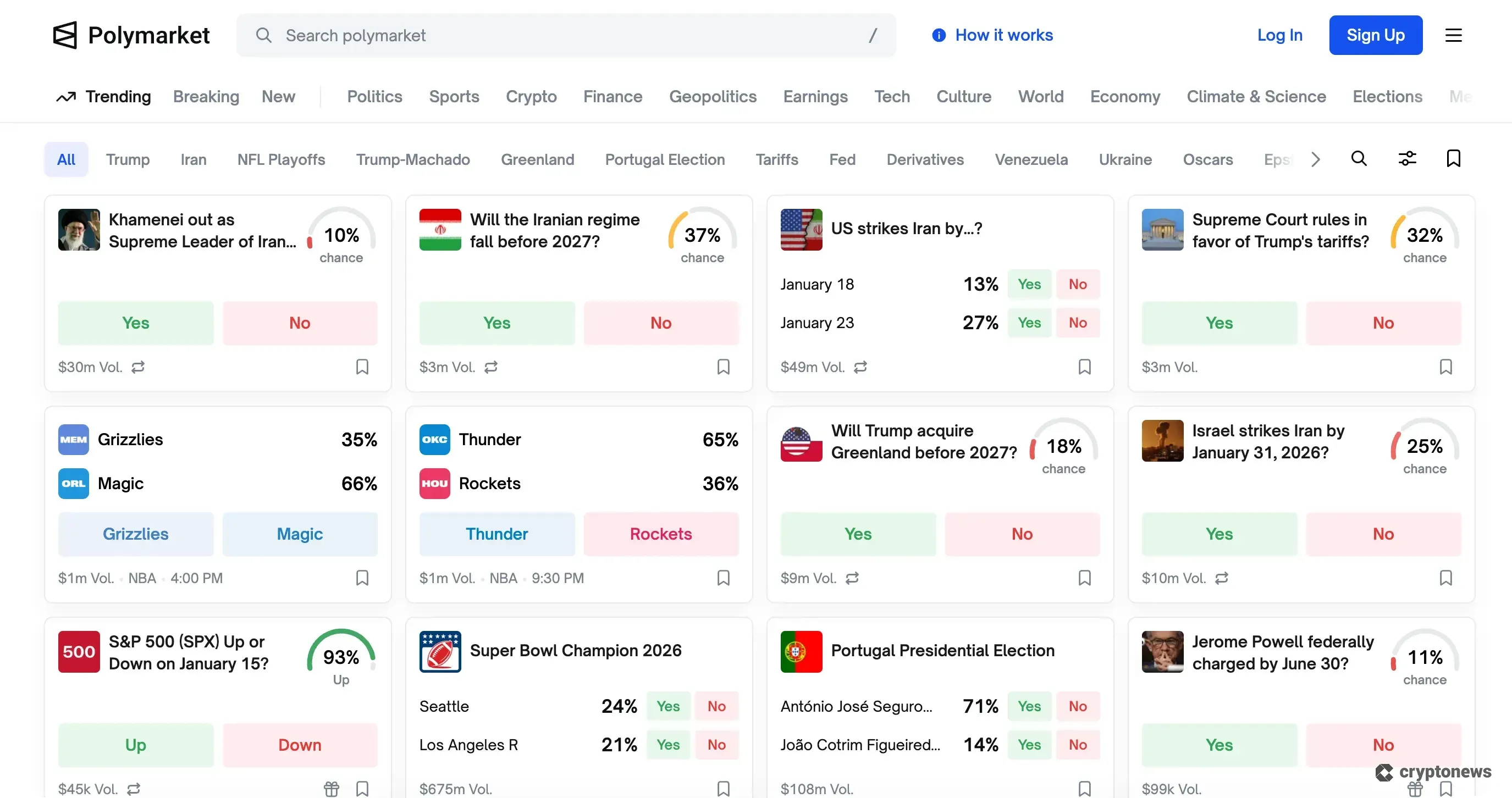
In 2026, Polymarket is legal in the U.S. However, it’s tightly controlled by the Commodity Futures Trading Commission (CFTC). It shut down U.S. users following a January 2022 settlement, and re-emerged in late 2025 with a separate, regulated U.S. app and a limited release. State rules still matter, especially for sports markets.
At the same time, federal regulators are continuing to examine how prediction markets should be governed, with policymakers discussing additional rules around sensitive event contracts such as geopolitical or conflict-related outcomes.
Next, we’ll cover why it was banned and what changed.
Historical Context: Why Polymarket Was Banned in the U.S.
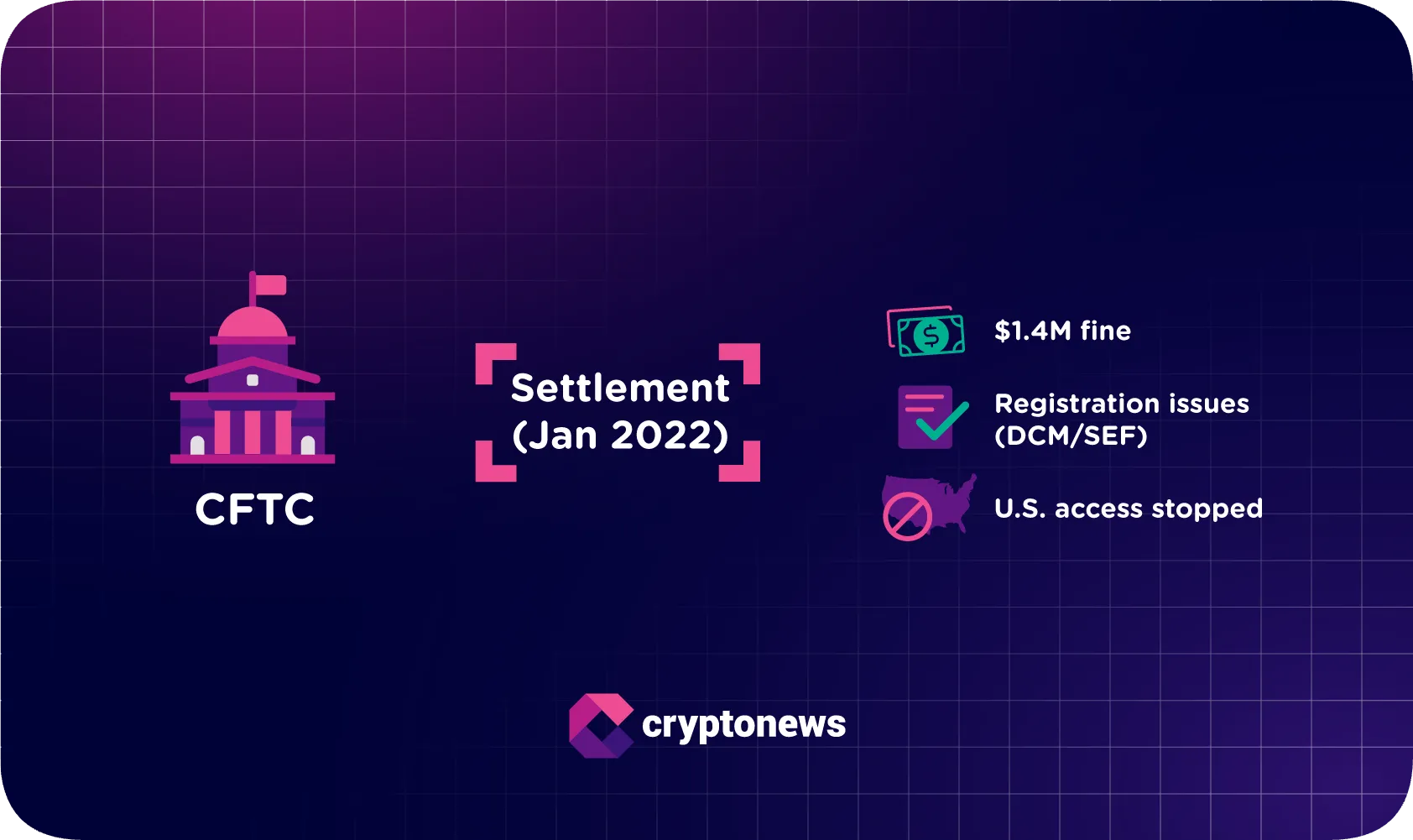
Polymarket’s U.S. problems peaked in January 2022 with a CFTC settlement. The CFTC said Polymarket offered off-exchange event-based swaps without registering with the regulator. It also failed to register as a Designated Contract Market (DCM) or Swap Execution Facility (SEF), which regulators expect for this kind of trading activity.
To resolve the case, Polymarket’s parent company paid a $1.4M fine and agreed to stop serving U.S. customers. Polymarket then exited the U.S. and blocked American users. If you tried to access from the U.S., you typically hit a wall. The message was clear.
But the internet loves loopholes. Some U.S. users kept trading offshore using VPNs and other workarounds. That puts them in an illegal or gray area, depending on facts and enforcement. It also created risk for Polymarket, since the platform had promised to stay out.
The DOJ looked into whether Americans were still accessing Polymarket after the 2022 settlement. That raised the stakes for everyone involved. From 2022 to 2024, using Polymarket from the U.S. wasn’t just against the platform’s rules; it also carried real legal risk.
Current Status: Polymarket Regulation Explained
Polymarket acquired QCEX in July 2025 for $112 million. QCEX had previously obtained CFTC licenses as an exchange and clearinghouse; thus, the acquisition created a legitimate pathway through which Polymarket could re-enter the U.S market. It was also a transition to a non-offshore access to a regulated operation.
Polymarket was used as a commodities venue by the CFTC. By the end of 2025, it had an amended designation of Designated Contract Market, requiring event contracts to comply with exchange-like rules, such as clearing, reporting, and regulated intermediaries. Polymarket transitioned to managed rails.
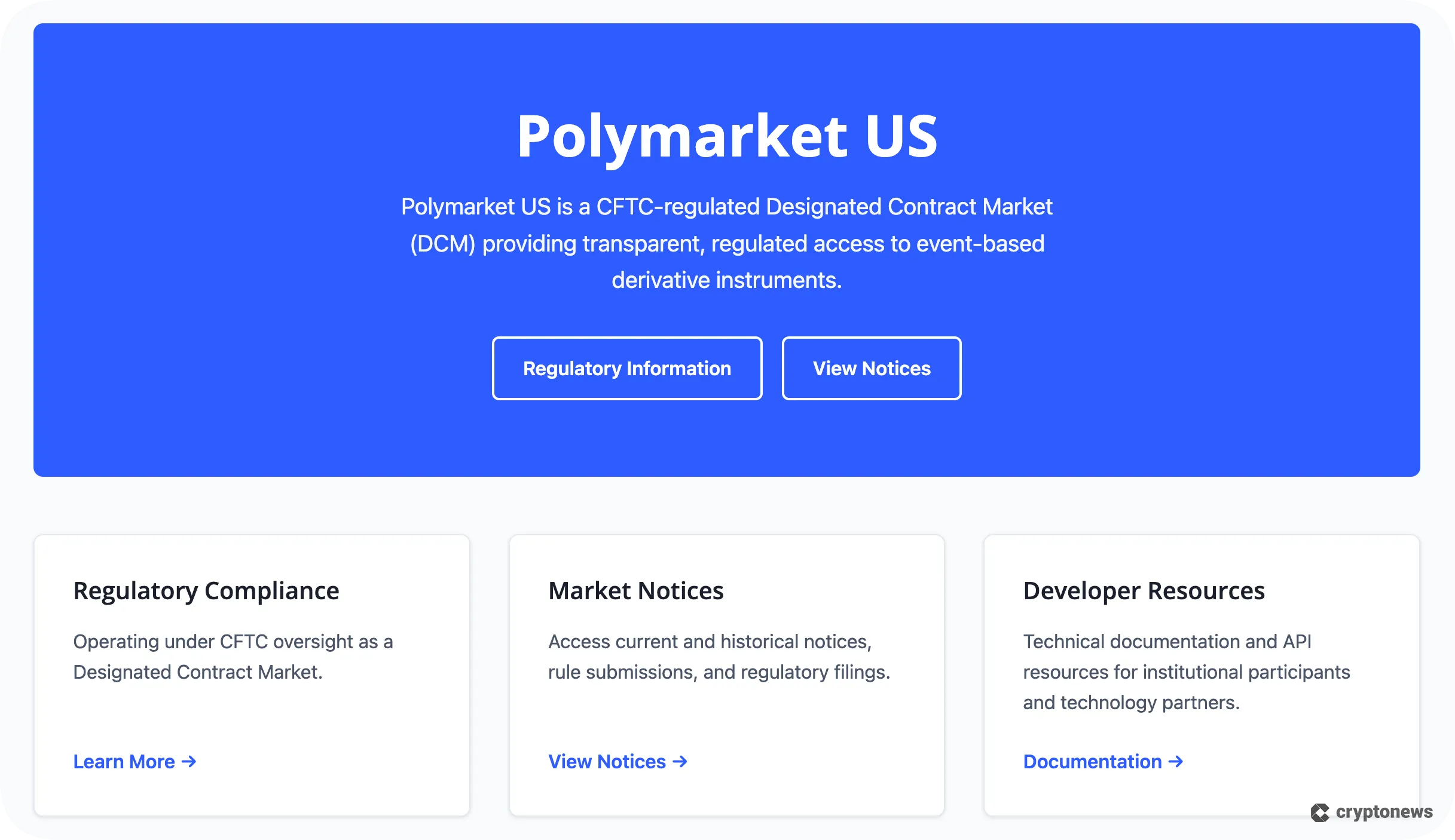
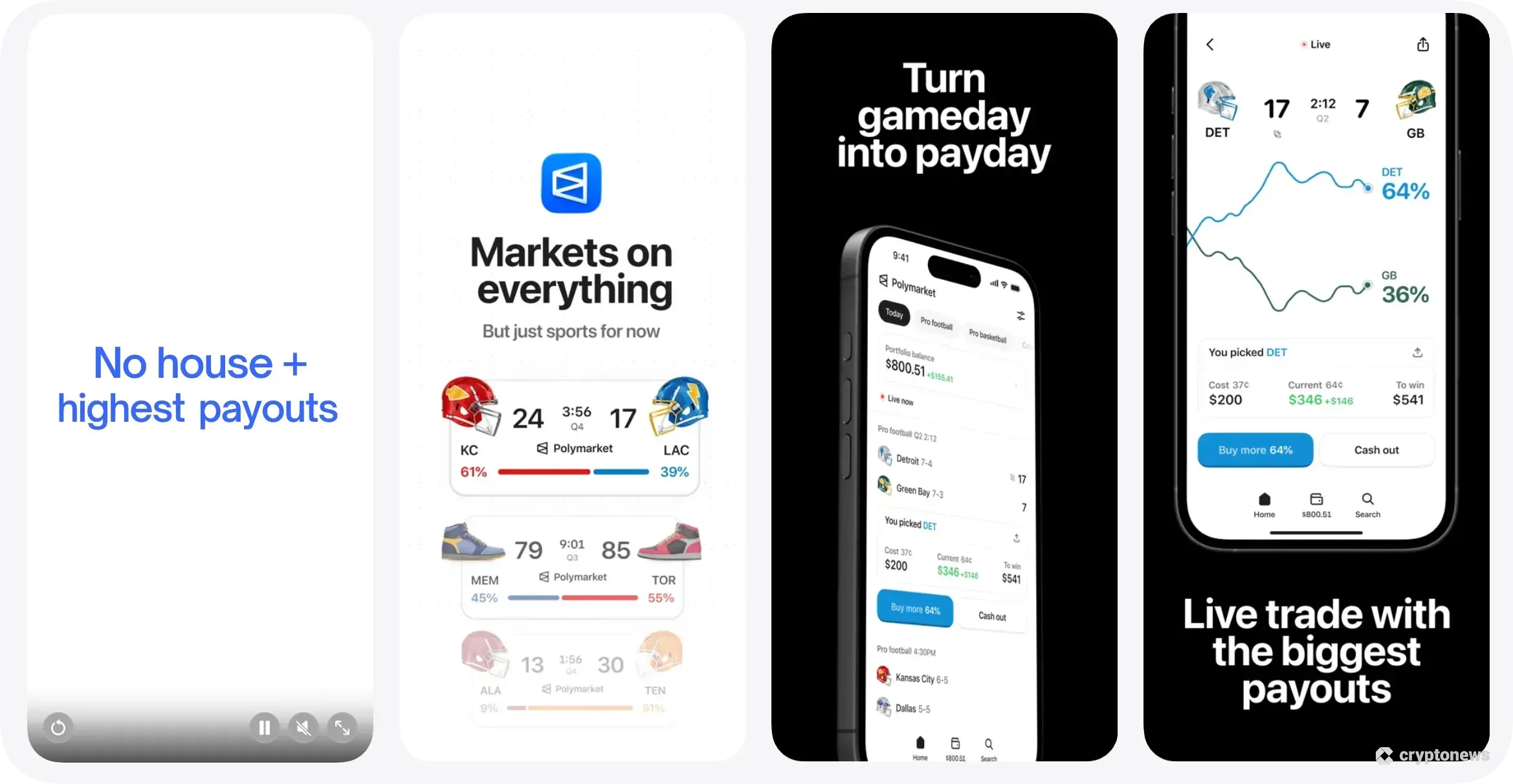
In September 2025, the CFTC published a no-action letter to reduce the burden of the launch. Subsequently, Polymarket was relaunched in the U.S. in December 2025 as an invite-only platform and with restricted markets. This gradual implementation is reminding the users that legality does not necessarily mean access, even for U.S. residents.
There are two Polymarkets today. The global platform utilizes crypto wallets and is still geoblocked in numerous countries. In fact, several regulators have recently taken action against offshore prediction markets, ordering them to block local residents or face penalties.
The app, regulated by the U.S. CFTC, probably with full Know Your Customer (KYC) requirements, and could send the trades to brokers or FCMs — it is more finance-like than online betting.
The other significant alteration was by mid-2025, when the DOJ and the CFTC resolved cases related to the previous activities of Polymarket, which provided the company with space to restructure under supervision.
But still, the legal question remains: are these contracts trading or gambling by another name?
Polymarket has indicated that if courts side with the states, similar restrictions could ultimately be applied to other prediction markets as well. Conversely, if federal preemption prevails, states would have little authority to regulate or restrict these markets.
The Supreme Court’s precedent might be the determining factor in the case of growing state-federal disagreements. Federal preemption, gambling definitions, or agency authority would be decided, and this would change what prediction markets can provide across the country.
Today, Polymarket is legally recognized by the CFTC in the U.S., but access and permitted markets remain different.
How the Kalshi Court Case Paved the Way for Polymarket in the U.S
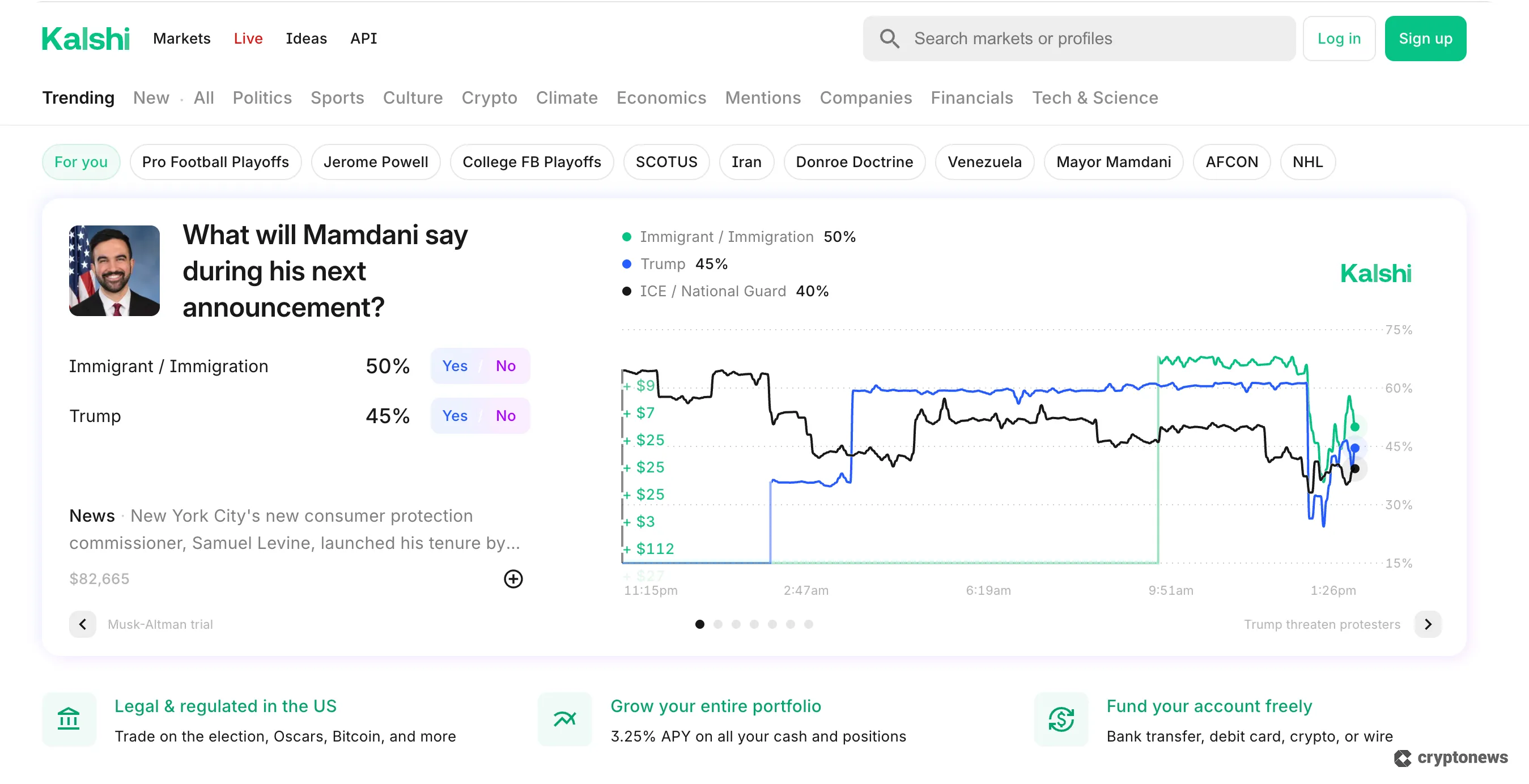
The U.S. court battles that Kalshi has been waging have not actually cleared a very open way to Polymarket. Instead, they emphasize how disorganized prediction market regulation becomes when state and federal regulations come into conflict, and how uncertainty causes platforms to go into defense mode rather than grow.
In 2025 and 2026, states filed lawsuits against Kalshi for event contracts such as sports results, arguing that they violated gambling laws. Courts split on it. In November 2025, Nevada dismissed the injunction and allowed the state to implement it, with New Jersey continuing to rely on federal preemption under the Commodity Exchange Act. It is a mixed signal to all, then.
Polymarket went another way. It blocked American users in response to the 2024 election audit rather than taking on states directly. The regulators are closely monitoring, with over 19 state actions targeting Kalshi by January 2026, and no final Supreme Court decision yet.
Meanwhile, policymakers in Washington are debating whether additional federal rules should limit certain prediction markets, particularly those tied to geopolitical conflicts, terrorism, or other sensitive real-world events. That debate could shape how broadly platforms like Polymarket are allowed to operate in the future.
Polymarket Legality by U.S. State
Even with federal approval, Polymarket’s acceptance can vary by state. State gambling laws and attitudes play a big role.
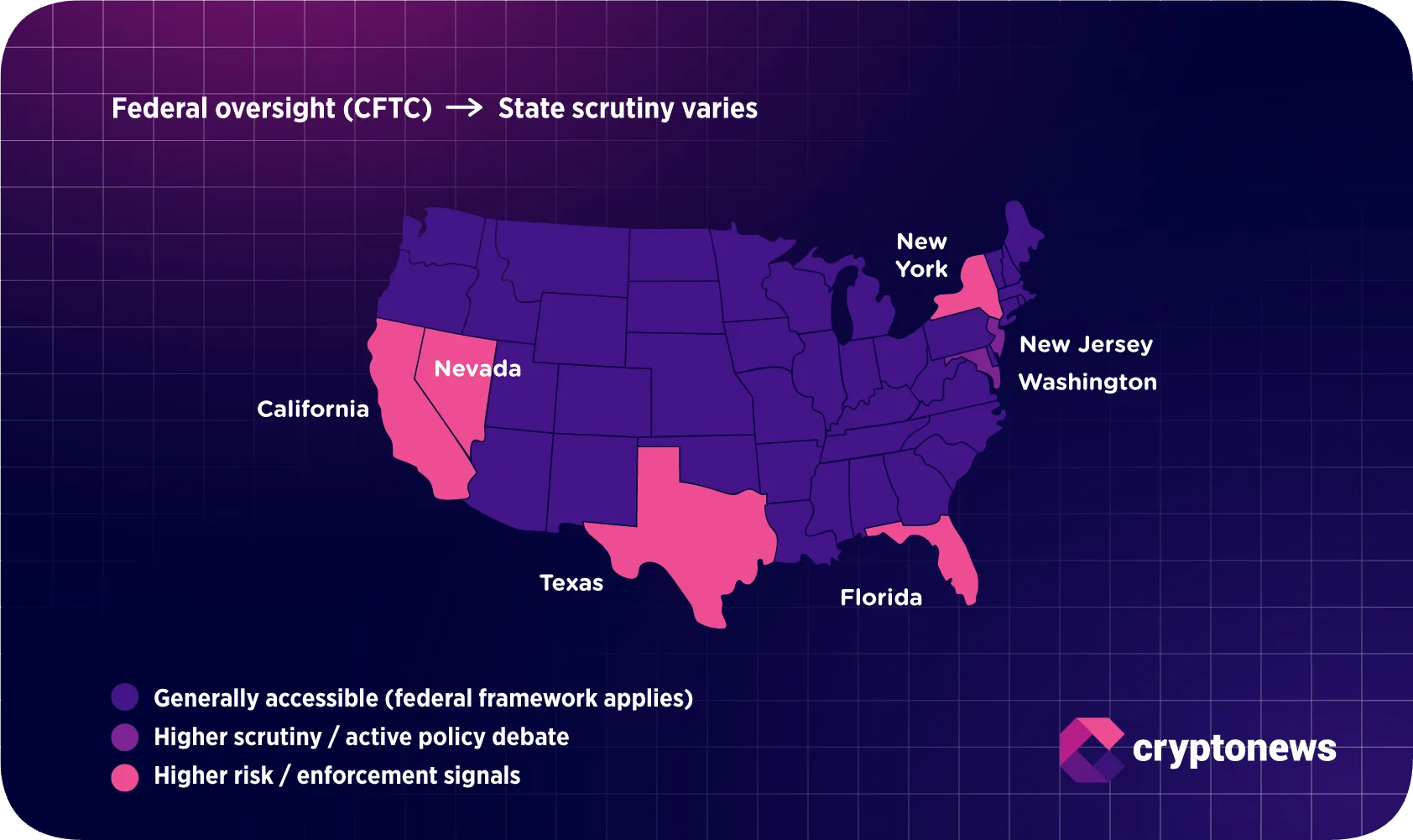
Here’s a snapshot of how some key states stand:
- California likely allows CFTC-regulated event contracts, even without sports betting, but tribal groups are pushing lawsuits and political pressure, so future limits remain possible.
- Texas has no sports betting, yet CFTC-regulated prediction markets operate as a workaround, and officials haven’t moved against them, so access looks straightforward for now.
- Florida’s laws don’t clearly address prediction markets, so the regulated U.S. platform likely works, but sports betting, politics, and tribal interests could change the mood fast.
- New York allows the regulated platform today, but lawmakers are considering restrictions on sports-style contracts, so you should watch for new rules and enforcement.
- Nevada treats sports-style contracts like unlicensed betting, has targeted Kalshi, a Polymarket competitor, and may pressure geoblocks, so Polymarket access there is riskier.
- New Jersey, Massachusetts, Pennsylvania, and Maryland have challenged Kalshi sports contracts.
- Washington’s strict gambling laws raise risk, so state pushback remains likely.
Always use the officially sanctioned U.S. platform so that you’re under the CFTC framework. And stay informed about your state’s stance.
If a state attorney general or gaming board declares prediction markets illegal gambling in your state, that could spell trouble. So far, though, no end-user (individual bettor) has been prosecuted for using a CFTC-regulated prediction market. The fights are happening at the company/regulator level. Still, it’s wise to be prudent.

Is Polymarket Legal in Europe?
In most of Europe, Polymarket is not legal or easily accessible.
Europe doesn’t have one regulator like the U.S. Instead, you face a patchwork of rules. Some countries treat prediction markets as gambling. Others treat them like financial products, closer to options. Either way, licenses matter.
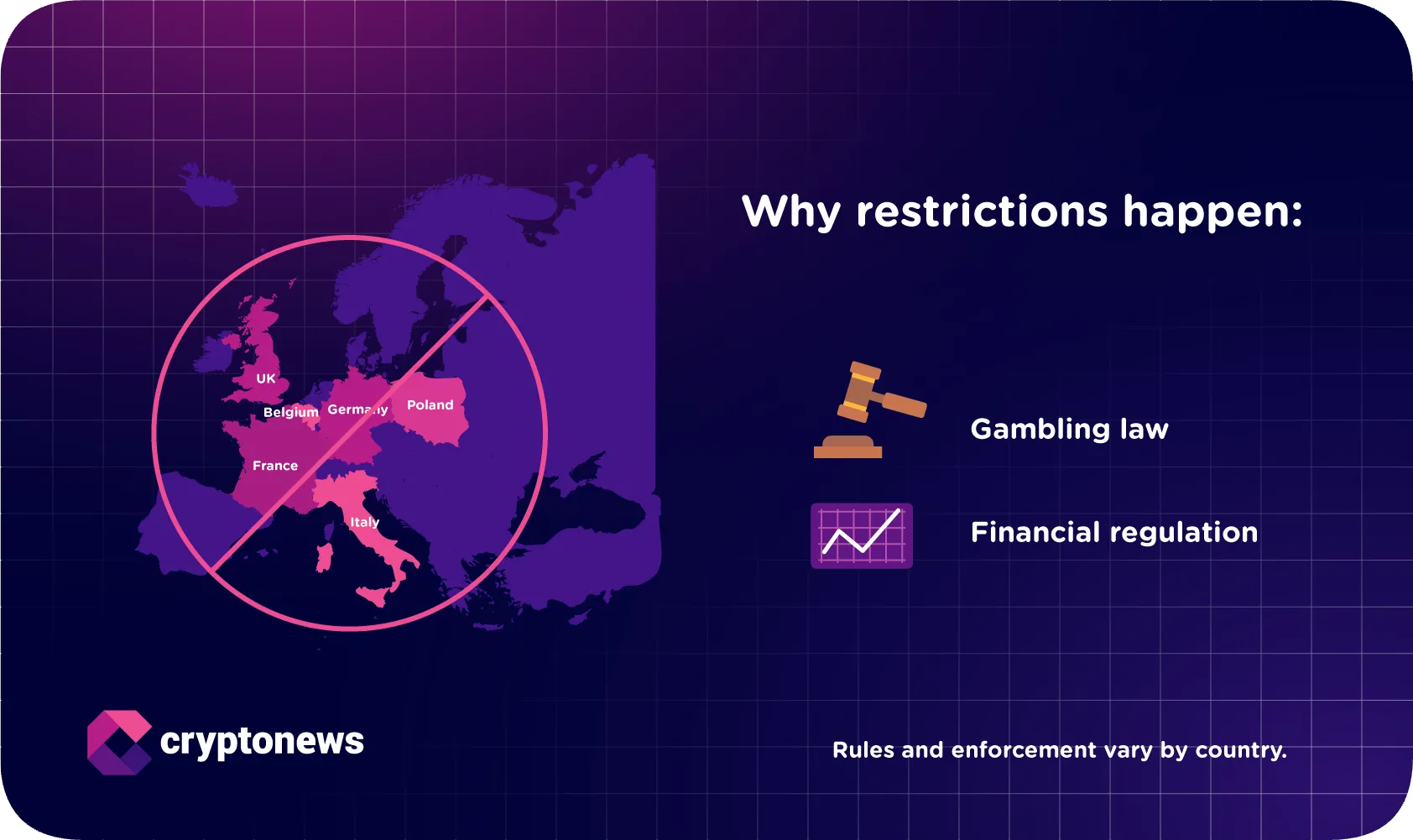
Enforcement also changes by country. France pushed Polymarket to geoblock users after regulator scrutiny. Belgium and Poland blocked access too, and Germany and Italy appear on restricted lists.
More recently, regulators in countries such as the Netherlands and Portugal have taken direct enforcement action, ordering Polymarket to stop serving local residents or face penalties for operating without a gambling license. The pattern is clear; more countries are moving toward bans, not approvals.
- Some regulators apply EU and local gambling laws to prediction markets.
- Others apply financial rules that restrict derivatives and binary options-style contracts.
- Country-by-country enforcement means access can change fast, with little warning.
- However, regulators increasingly classify prediction markets as unlicensed online gambling platforms.
There is growing hostility in Europe, which has practical reasons. The regulators are concerned with the protection of consumers, underage or unidentified users, and money laundering. They also do not like the excuse that it is not betting but trading, since it may resemble a label swap. When it walks like gambling, they control it like gambling.
Retail binary options pressure across the EU, and high-quality national gambling regulators, make the climate difficult. Polymarket was blacklisted by Romania following a high volume of election-market trading and blocked by Switzerland, allegedly.
Recent actions by regulators in the Netherlands and Portugal reinforce the broader European trend. Platforms that offer event-based contracts without local licenses are increasingly treated as illegal gambling operators.
Visit PolymarketCountries Where Polymarket Is Banned or Blocked
Polymarket blocks or limits access in certain countries to follow the rules. These geo-restrictions help it comply with international sanctions and embargoes, local financial regulations, gambling and prediction-market laws, as well as Anti-Money Laundering (AML) and KYC requirements. Put simply, it would rather block access than break laws.
Close-only means you can close existing positions and withdraw funds, but you can’t open new trades. Polymarket uses this when a country’s legal status changes, so users can exit safely without adding new risk. If Polymarket isn’t legal in your region, check out the guide below to find Polymarket alternatives.
As of August 11, 2026, Polymarket is blocked, banned, or restricted in the following jurisdictions:
| Country/Region | Access Status | Primary Reason for Restriction |
|---|---|---|
| 🇦🇺 Australia | Blocked | Local gambling regulation (unlicensed online betting is not allowed, per ACMA) |
| 🇧🇪 Belgium | Blocked | Local gambling regulation (government blacklist of unlicensed gambling sites) |
| 🇧🇾 Belarus | Blocked | International sanctions (subject to U.S./EU sanctions, high AML risk) |
| 🇧🇮 Burundi | Blocked | International sanctions / AML concerns (U.S. sanctions and high-risk jurisdiction) |
| 🇨🇫 Central African Republic | Blocked | International sanctions (subject to sanctions; unstable financial environment) |
| 🇨🇩 Democratic Republic of Congo (Kinshasa) | Blocked | International sanctions (U.S./UN sanctions, conflict-related restrictions) |
| 🇨🇺 Cuba | Blocked | International sanctions (U.S. OFAC-sanctioned country) |
| 🇩🇪 Germany | Blocked | Local financial regulation (retail binary options/event trading banned without license) |
| 🇪🇹 Ethiopia | Blocked | International sanctions (U.S. sanctions and AML concerns) |
| 🇫🇷 France | Blocked | Local gambling regulation (ANJ determined Polymarket is unlicensed gambling) |
| 🇬🇧 United Kingdom | Blocked | Local financial regulation (UK bans crypto derivatives for retail; no UK gambling license) |
| 🇮🇷 Iran | Blocked | International sanctions (OFAC-sanctioned country) |
| 🇮🇶 Iraq | Blocked | International sanctions (various sanctions and high-risk AML status) |
| 🇮🇹 Italy | Blocked | Local gambling/financial regulation (unlicensed betting and EU binary options ban) |
| 🇰🇵 North Korea | Blocked | International sanctions (OFAC-sanctioned, comprehensive trade embargo) |
| 🇱🇧 Lebanon | Blocked | International sanctions (U.S. sanctions and terrorism-related restrictions) |
| 🇱🇾 Libya | Blocked | International sanctions (sanctioned conflict zone) |
| 🇲🇲 Myanmar (Burma) | Blocked | International sanctions (U.S. sanctions on regime, AML concerns) |
| 🇳🇮 Nicaragua | Blocked | International sanctions (U.S. sanctions on Nicaraguan officials/regime) |
| 🇵🇱 Poland | Close-only | Local gambling regulation (Ministry of Finance blocked Polymarket as unlicensed gambling) |
| 🇷🇺 Russia | Blocked | International sanctions (sanctions due to geopolitical conflicts) |
| 🇸🇬 Singapore | Close-only | Local gambling regulation (classified as illegal gambling by Singapore’s authorities) |
| 🇸🇴 Somalia | Blocked | International sanctions (sanctions and counter-terrorism measures) |
| 🇸🇸 South Sudan | Blocked | International sanctions (sanctioned conflict region) |
| 🇸🇩 Sudan | Blocked | International sanctions (U.S. sanctions and embargo) |
| 🇸🇾 Syria | Blocked | International sanctions (OFAC-sanctioned country) |
| 🇹🇭 Thailand | Close-only | Local gambling regulation (Thai authorities forbid unlicensed betting platforms) |
| 🇹🇼 Taiwan | Close-only | Regulatory compliance (treated similarly to a restricted jurisdiction; likely due to local law or political considerations) |
| 🇺🇸 United States | Restricted | Federal regulatory restrictions (CFTC settlement barred U.S. access); state laws |
| 🇻🇪 Venezuela | Blocked | International sanctions (U.S. sanctions on regime officials, AML concerns) |
| 🇾🇪 Yemen | Blocked | International sanctions (sanctions due to conflict and terrorism concerns) |
| 🇿🇼 Zimbabwe | Blocked | International sanctions (sanctions on officials, high AML risk) |
| 🇨🇦 Canada – Ontario | Blocked (region) | Local gambling regulation (provincial law requires iGaming license in Ontario) |
| 🇺🇦 Ukraine – Crimea, Donetsk, Luhansk | Blocked (regions) | International sanctions (conflict zones under sanctions/occupation) |
This list reflects known geoblocks and restrictions, although regulators in some countries, such as the Netherlands, Portugal, and New Zealand, have recently issued additional rulings or enforcement orders related to prediction markets.
What to Do If Your Region Enters ‘Close-Only’ Mode
Close-only mode refers to the fact that you can not open new positions in prediction markets, but you can close the existing ones. Platforms switch it on to comply, geo-fence, or when the markets get super wild. This status often shows when regulators issue new enforcement orders or when a platform decides to restrict a jurisdiction while reviewing legal risk.
Your first move? Review open trades, close them calmly, and use limit orders when available to avoid bad fills. Next, remove your collateral from your wallet and verify it on a block explorer.
Then, there are a couple of choices. You can jump on a compliant platform that operates in your country, or just go and do some other DeFi stuff as you wait until the rules settle. There are those who attempt to use VPNs, but that will get your account blocked or block your money.
If you use decentralized mirrors, double-check the oracle and contracts, and keep exposure small, like under 2% per platform.
The French Ban: Why The ANJ Blocked Polymarket in Late 2025
Polymarket had been closed down in late 2025 by the French gambling regulator Autorité Nationale des Jeux (ANJ). They were on the move after they noticed trouble around November 21, 2024, and continued in 2025. ANJ claimed that Polymarket’s crypto prediction markets were illegal gambling under French law, and thus individuals could no longer use them in the country.
Reports said a French whale won over $80M betting on the 2024 U.S. election, which pulled attention toward Polymarket’s $3.2B election volume. ANJ viewed these event contracts as illegal betting, even if the product looks like a forecasting tool.
ANJ approached the operator, Adventure One QSS Inc., based in Panama, and insisted on blocking French IP addresses. Polymarket introduced restrictions that prevented new trades. In 2024, France also blocked more than 944 gambling sites, and the fines and jail sentences can reach up to €200k and 7 years in jail, respectively. Other similar blocks came in other countries such as Belgium, Portugal, Hungary, and the Netherlands.
What Are the Risks of Using Polymarket?
Although Polymarket may be legal in the jurisdiction where you live, you are still subject to regulatory whiplash. Regulations are subject to change, and you can lose access overnight. You might open positions by law, and wake up to find a nationwide ban or a new restriction. In case that happens, you may be lucky to get close-only access.
There is also the risk of account freezes. Polymarket applies geo-blocks and KYC checks, and thus, suspicious logins may result in reviews. The use of a VPN, traveling to a restricted country, or moving around a lot of places can lock your account. Then your money will be held up as support investigates.
Another problem with peer-to-peer markets is market manipulation. Big traders are able to manipulate odds and subject other traders to unfavorable prices.
There is also the risk of insider trading, whereby individuals who possess non-public information unfairly make gains. For example, privileged information tied to elections, geopolitics, or corporate events, which is one reason authorities are examining tighter rules for the sector.
The problem of addiction is also severe. Limit your losses; do not keep trading until you run out of money, and retire.
Is Using a VPN to Access Polymarket Legal?
A VPN is not illegal as a privacy tool, which is not useful in this case. When you access Polymarket with the help of a VPN in a blocked area, you are breaking the rules of the platform and may face a ban or a freeze of your account. You might lose your money within a short time.

You are also at risk of lawsuits in the event that Polymarket is not allowed in your jurisdiction. A VPN will not leave any traces, but on-chain actions are still visible. Don’t circumvent restrictions or use Reddit workarounds.
🚨 When Polymarket blocks your area, take that as a red light.
Can I get banned from Polymarket if I use a VPN?
Using a VPN to bypass Polymarket geoblocks can trigger account freezing quickly. Polymarket bans access from restricted locations, and it can detect common VPN IPs or sudden location changes. If it flags your account, it can suspend it while it investigates. That can stop withdrawals immediately.
A ban can also mean loss of funds. You may lose access to your balance, and you shouldn’t assume Polymarket will let you withdraw before closing the account. If it believes you deliberately violated restrictions, it can lock you out entirely. Fighting that decision can be slow and frustrating.
The use of VPN can stimulate KYC. Although the global location might allow you to do small transactions without a complete ID, bigger withdrawals tend to be checked.
In case your documents show that you are in a restricted country, the infraction is verified, and withdrawals are prohibited. The app under the control of the U.S. has a stricter KYC, which has previously identified anomalies.
Can authorities track VPN usage?
A VPN adds privacy, but it isn’t a magic cloak. It encrypts your traffic and routes it through another server, so Polymarket may see the VPN location, not yours. Your internet provider also sees less detail. That’s the “do” list. The “don’t” list is bigger.
A VPN does not make one totally anonymous. Unless the policies of the provider specifically prohibit it, the provider is still able to see your actual IP address and your activity.
In case the records are subpoenaed by the authorities, they can correlate timestamps with your actual identity. And in case of the VPN connection being lost, it is possible that your actual IP will be exposed, leaving a distinct trail of logs.
The larger risk is blockchain transparency. All Polymarket transactions are on-chain, meaning that trades and wallet addresses are transparent. When you fund the wallet with a KYC-verified exchange, the association between the identity and the on-chain bets is self-evident. Mega wins and subsequent cash outs are even more scrutinized.

Operators of the platforms are typically targeted by law enforcement, but so can the casual users. Investigations can be initiated when there is high activity in large volumes, insider trading behavior, money-laundering indicators, or politically sensitive markets. Exchange records, blockchain analytics, and platform logs can be combined to identify people by the agencies.
🚨 Our team doesn’t encourage going around restrictions. Do not consider VPN access as a loophole. If Polymarket blocks your area, abide by the law and local regulations.
How to Report Polymarket Gains to the IRS
Polymarket profits usually count as capital gains, though some places treat them as gambling income. Either way, trades are traceable on-chain, so skipping reporting is risky. Enforcement is tightening, including EU DAC8 reporting starting in 2026, which makes wallets and exchanges harder to keep unreported.
Here’s what reporting often looks like by region:
- U.S.: Polymarket does not send 1099s, so you self-report. Answer the digital asset question on Form 1040 and report trades on Form 8949 and Schedule D. File by April 15, and consider quarterly estimates if gains exceed $1,000.
- Europe/UK: DAC8 pushes automatic reporting. France often uses flat tax bands around 12.8% to 30%. The UK usually treats it under CGT at 10% to 20%.
- Asia: Singapore has no CGT, but frequent trading can count as income. Japan often taxes as miscellaneous income, roughly 15% to 55%.
As you can see, tax treatment of Polymarket gains can vary significantly based on your country, residency status, trading frequency, and personal financial situation. The information above is for general educational purposes only and should not be considered tax, legal, or financial advice.
Tax laws and reporting requirements change frequently, and enforcement standards are becoming stricter. This is especially relevant as governments expand reporting rules for crypto platforms and digital asset transactions.
Before filing, consult a qualified tax professional, accountant, or legal advisor who understands digital assets and prediction markets to ensure you remain fully compliant and avoid costly penalties.
Final Verdict: Is Polymarket Legal?
Polymarket’s legality depends on where you are. It is legal and controlled in certain areas and limited or prohibited in others. The misunderstanding is based on the fact that various jurisdictions regard prediction markets as trading, gambling, or both. Thus, there is no universal law.
In the U.S., the legal framework is getting better under the CFTC supervision, though it is still developing. Certain states are resistant to it, and the availability of the platform may be restricted during rollouts.
Meanwhile, regulators in much of Europe regard Polymarket as unlicensed gambling and prohibit it. There are also those countries that lie in gray areas where the platform is available, yet its legality is not clear.
You should use Polymarket only if it’s legal where you live, and you’re comfortable with crypto risks. You should not use it if it’s banned, questionable, or if gambling habits are a concern. Before you sign up, check your location, the app version you’re using, and the current regulations.
Visit PolymarketFAQs
What is Polymarket?
Is Polymarket a gambling site or a trading platform?
Does Polymarket pay out?
Can I withdraw money from Polymarket?
Do I need to pay taxes on Polymarket winnings?
References
- The CFTC’s Polymarket Decision – Bringing a New Crypto Events-Based Market into the Commodities Regulatory Fold (JDSupra)
- Polymarket acquires QCEX for $112 million in U.S. market re-entry bid (CDC Gaming)
- Polymarket set to relaunch in US as early as Friday (CDC Gaming)
- Unpacking a potential Polymarket ‘ban’ (Blockworks)
- Predictive markets set to make sports betting a big issue again (Capitol Weekly)
- Are the Walls Closing in on Polymarket After Latest European Ban? (GamesHub)
- Geographic Restrictions (Polymarket Docs)
- CFTC Orders Event-Based Binary Options Markets Operator to Pay $1.4 Million Penalty (CFTC)
- Kalshi And Polymarket Face Legal Battle Over Sports Betting Contract (MEXC)
- Polymarket bows to ANJ command closing French service (SBC News)
- US Democrats working on bill to rein in prediction markets after Iran bets (Reuters)
- US derivatives regulator to advance prediction markets rule soon (Reuters)
- Portugal joins growing list of countries cracking down on Polymarket (CoinDesk)
- Netherlands Bans Polymarket Over ‘Illegal Gambling Services’ (Yahoo! Finance)
- Why betting on top online prediction markets is now illegal in New Zealand (RNZ)
2M+
250+
8
70







 in numbers

About Cryptonews
Our goal is to offer a comprehensive and objective perspective on the cryptocurrency market, enabling our readers to make informed decisions in this ever-changing landscape.
Our editorial team of more than 70 crypto professionals works to maintain the highest standards of journalism and ethics. We follow strict editorial guidelines to ensure the integrity and credibility of our content.
Whether you’re looking for breaking news, expert opinions, or market insights, Cryptonews has been your go-to destination for everything cryptocurrency since 2017.