Ripple Publishes Scholar’s Call for Quantum-Resistant Cryptography in Blockchain





Ripple’s recent report highlights Professor Massimiliano Sala’s call for new cryptographic systems to protect blockchain from quantum computing threats.
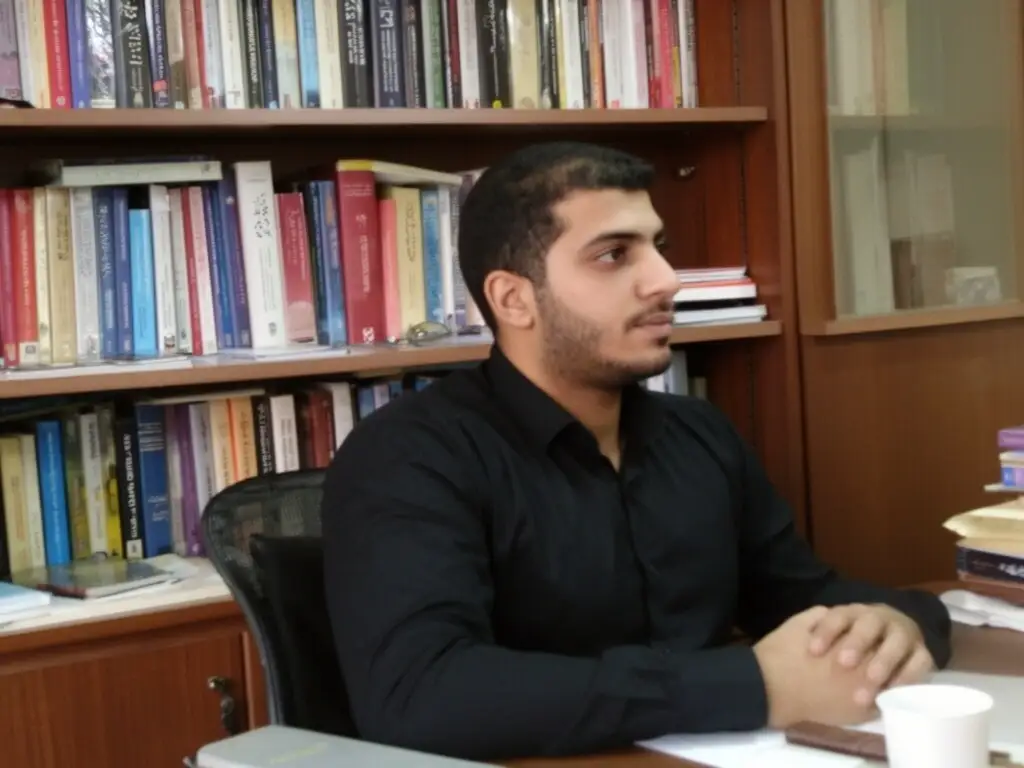
In an interview with Ripple, the mathematics professor at University of Trento explained that current encryption methods might be vulnerable to quantum computers as they evolve. He emphasized the importance of developing “quantum-resistant” cryptographic systems.
Ripple and Professor Address Quantum Computing Threats
When addressing the industry’s future, Sala highlighted the vulnerabilities quantum computing introduces to blockchain security. He noted that quantum computers could solve problems foundational to digital signatures, threatening blockchain platforms.
“Quantum computers could easily solve problems that are foundational to digital signatures, thus potentially undermining the mechanisms that protect users’ assets on blockchain platforms,” said Sala.
Despite these concerns, he pointed out the proactive efforts within the cryptographic community to develop “post-quantum” cryptographic schemes, aiming to secure blockchain systems against quantum attacks.
According to Sala, the transition to quantum-resistant cryptographic systems is vital for maintaining the integrity and security of blockchain infrastructures.
“All classical public-key cryptosystems should be replaced with counterparts secure against quantum attacks,” said Sala.
Technical Challenges and Educational Need
He also elaborated on the technical difficulties, such as increased computational demands and larger data sizes for secure transactions. Yet, Sala remained optimistic about the ongoing research to optimize these implementations for practical use.
Sala praised international collaboration efforts, such as the U.S. National Institute of Standards and Technology (NIST) standardization process, which promote the creation of cryptographic standards resistant to quantum attacks.
He stated that this collaborative approach could ensure new schemes undergo rigorous community-wide evaluation, enhancing their reliability and security.
In addition, Sala suggested the integration of modern cryptographic methods into traditional academic curricula for education, targeting the emerging challenges in the sector.
“The probability of quantum threats materializing may not be imminent,” said Sala. “But it is significant enough to warrant proactive measures.”
- Mark Zuckerberg Meta AI Predicts XRP Could Be the Story of 2027
- Perplexity AI Predicts an XRP Scenario Few Analysts Are Discussing
- SEC-CFTC Crypto Map Advances as Clarity Act Stalls
- XRP Price Prediction: Ripple Sits at 18-Month Support Level, Will $1 Hold?
- Sam Altman ChatGPT AI Says XRP Real Test Is Still Ahead
2M+
250+
8
70





- Mark Zuckerberg Meta AI Predicts XRP Could Be the Story of 2027
- Perplexity AI Predicts an XRP Scenario Few Analysts Are Discussing
- SEC-CFTC Crypto Map Advances as Clarity Act Stalls
- XRP Price Prediction: Ripple Sits at 18-Month Support Level, Will $1 Hold?
- Sam Altman ChatGPT AI Says XRP Real Test Is Still Ahead
More Articles
 in numbers