Trump’s National Cyber Strategy Backs Crypto Security in Post-Quantum Era




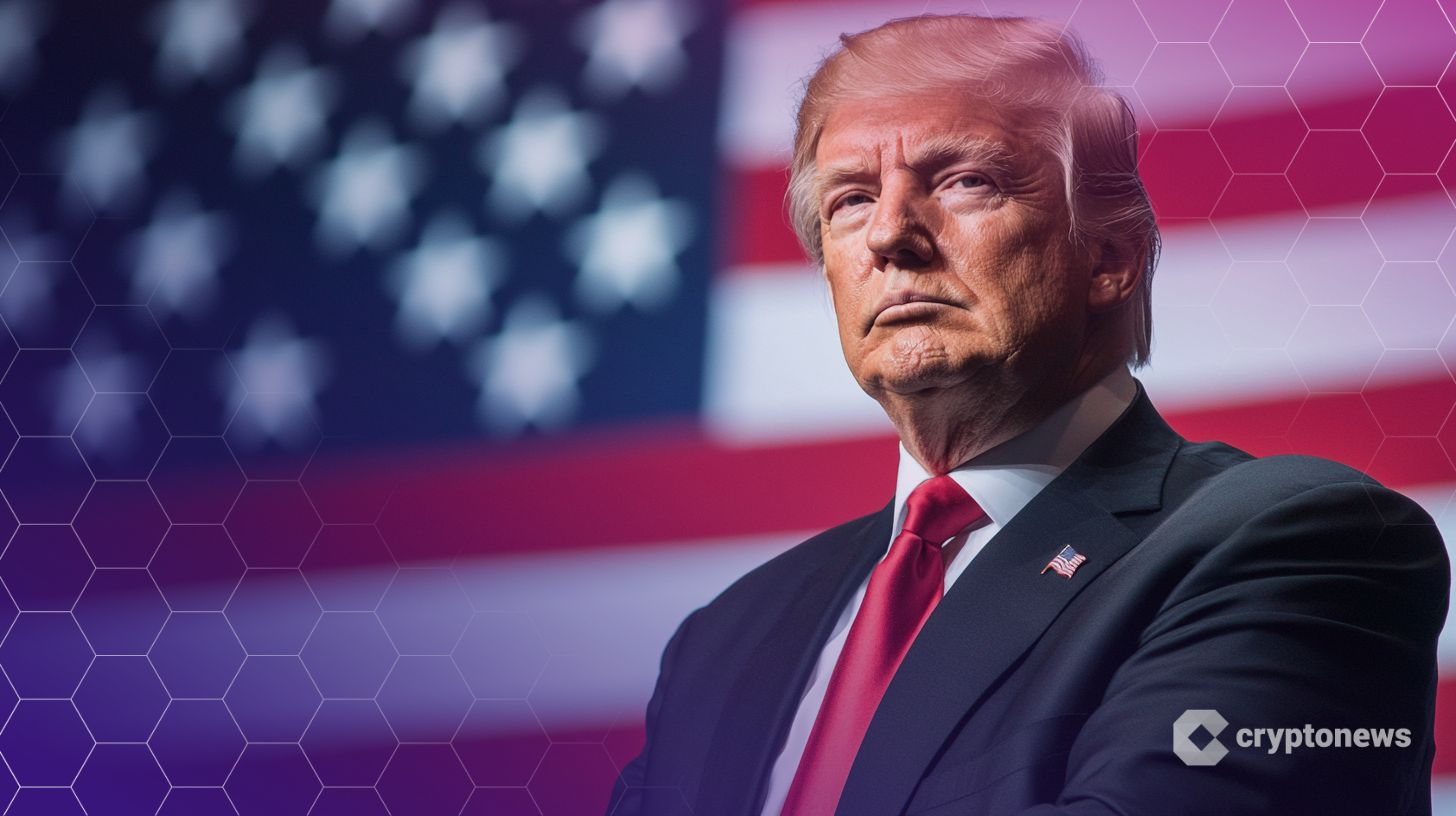
US President Donald Trump’s newly released National Cyber Strategy outlines federal support for strengthening the security of cryptocurrencies and blockchain systems, including protections against future threats posed by quantum computing.
Key Takeaways:
- Trump’s National Cyber Strategy includes federal support for securing cryptocurrencies and blockchain networks.
- The plan promotes post-quantum cryptography to protect digital infrastructure from future quantum computing threats.
- The strategy comes as the crypto industry debates how Bitcoin and other blockchains should prepare for quantum-era security risks.
The strategy, published Friday by the White House, states that the administration intends to ensure the United States remains “unrivaled in cyberspace.”
The document highlights the role of secure digital infrastructure and emphasizes that Americans should take steps to safeguard their online activities while the government works to reinforce broader cybersecurity protections.
Trump Cyber Strategy Highlights Crypto and Blockchain Security
Within that framework, the strategy includes a specific focus on emerging technologies tied to the digital asset sector.
According to the document, the administration plans to “build secure technologies and supply chains that protect user privacy from design to deployment,” while also supporting the security of cryptocurrencies and blockchain networks.
The strategy also calls for promoting post-quantum cryptography, encryption systems designed to withstand attacks from future quantum computers, alongside the development of secure quantum computing technologies.
The mention of crypto security comes as debate intensifies within the digital asset industry over whether major blockchain networks are prepared for a future where quantum machines could break current encryption methods.
Quantum computers remain largely experimental, but researchers have warned that sufficiently powerful versions could one day crack cryptographic systems used by Bitcoin and other blockchains.
Such a development would require networks to migrate to new encryption standards capable of resisting quantum attacks.
Some figures in the crypto sector argue the risk remains distant. Michael Saylor, co-founder of Bitcoin-focused firm Strategy, has said concerns about quantum threats are exaggerated, though he acknowledges that developers should remain prepared for technological shifts.
Other projects have begun exploring upgrades more actively. Ethereum co-founder Vitalik Buterin proposed a “quantum roadmap” earlier this year aimed at preparing the blockchain for a future where quantum computing could undermine existing cryptographic protections.
Trump’s cybersecurity plan arrives alongside other policy actions that touch the digital asset sector.
On the same day the strategy was released, the president signed an executive order targeting cybercrime, part of a broader effort to strengthen the country’s digital defenses.
Trump Expands Pro-Crypto Agenda With Bitcoin Reserve and CBDC Ban
Since returning to office, Trump has taken several steps aimed at reshaping US crypto policy. Last year, he approved the creation of a strategic Bitcoin reserve held by the federal government.
The reserve currently contains Bitcoin seized in criminal cases, and the administration has not indicated plans to acquire additional assets.
Earlier executive actions also included a sweeping review of digital asset policy and a prohibition on the development of US central bank digital currencies, reflecting the administration’s stance against government-issued digital money.
Meanwhile, Trump has intensified pressure on Jerome Powell, including threats of a criminal investigation, but the Federal Reserve has again held interest rates steady, citing solid growth and still-elevated inflation.
Powell declined to comment on the investigation and defended the Fed’s independence, warning that politicizing monetary policy would undermine the institution’s credibility.
As reported, Bitcoin has shed roughly 25,000 millionaire addresses in the year since Donald Trump returned to the White House, even as US policy shifted toward a more crypto-friendly stance.
Blockchain data shows the number of addresses holding at least $1 million in BTC fell about 16% year over year, suggesting regulatory optimism has not translated into sustained on-chain wealth growth.
- Elon Musk Grok AI Predicts Incredible XRP Price Target by End of 2026
- XRP Price Prediction: Judge in XRP Ruling Delivers Fresh Blow
- XRP Price Prediction: Validators Welcome XRP Ledger Last Upgrade
- Elon Musk Grok AI Predicts Incredible XRP Price and Bitcoin Price by End of 2026
- Ethereum Price Prediction: Tom Lee Predicts $5 Trillion Ethereum
2M+
250+
8
70





- Elon Musk Grok AI Predicts Incredible XRP Price Target by End of 2026
- XRP Price Prediction: Judge in XRP Ruling Delivers Fresh Blow
- XRP Price Prediction: Validators Welcome XRP Ledger Last Upgrade
- Elon Musk Grok AI Predicts Incredible XRP Price and Bitcoin Price by End of 2026
- Ethereum Price Prediction: Tom Lee Predicts $5 Trillion Ethereum
More Articles

 in numbers