Circle Files Amicus Brief in SEC’s Binance Lawsuit, Says Stablecoins Are Not Securities


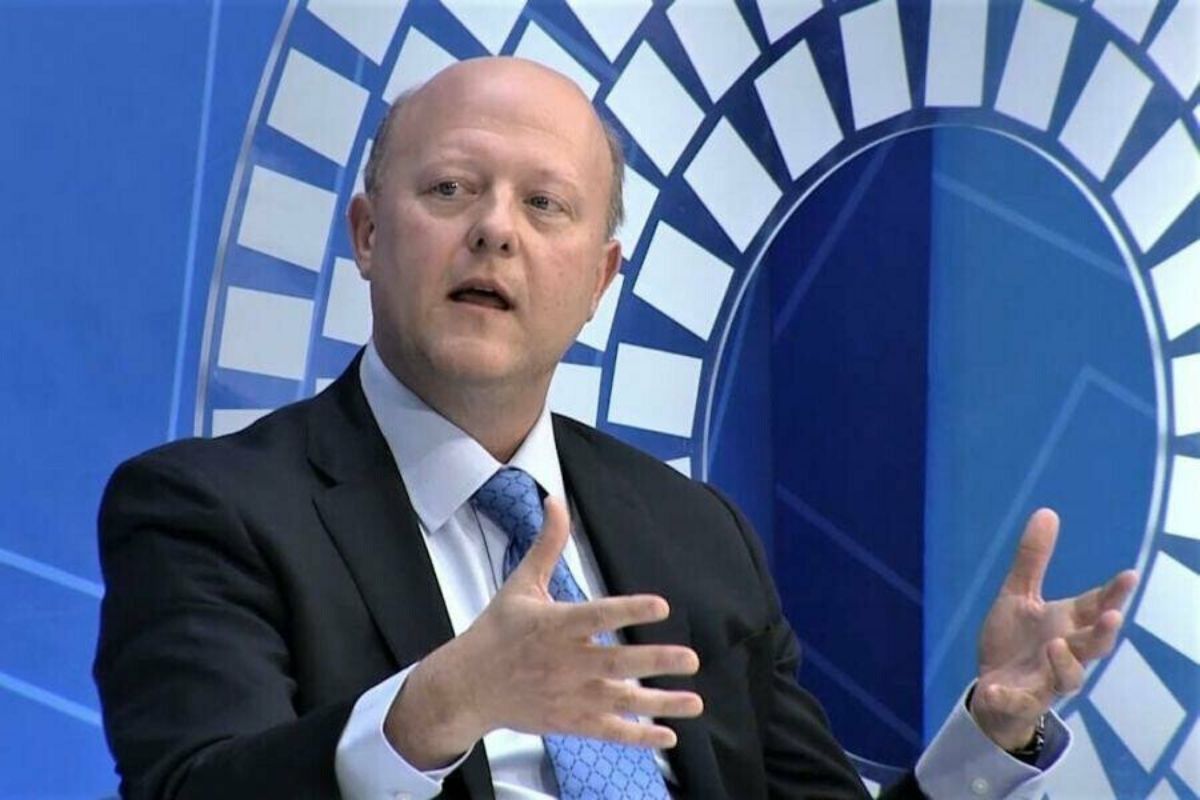
Stablecoin issuer Circle has stepped into the legal battle between the Securities and Exchange Commission (SEC) and major crypto exchange Binance.
Circle argued in its amicus curiae brief that stablecoins, whose value is backed by other assets, should not be subject to the same regulatory scrutiny as traditional securities, Circle International revealed.
The SEC’s case against Binance, which unfolded in June, centers on allegations of multiple legal violations related to the exchange’s facilitation of cryptocurrency trades.
SEC Claims BUSD is an Investment Contract
Among the assets under scrutiny is the Binance stablecoin, BUSD, along with other cryptocurrencies like Solana’s SOL and Cardano’s ADA.
The SEC contends that these assets constitute unregistered securities.
This case has emerged as one of the most significant legal battles in the cryptocurrency industry that could decide the fate of the crypto industry in the United States.
Binance, alongside competitors like Coinbase, is steadfastly asserting that cryptocurrencies should not be subjected to the stringent financial regulations currently in place in the United States.
Stablecoins Shouldn’t be Classified as Securities
Circle argues in its amicus brief that stablecoins linked to the U.S. dollar, including BUSD and its own USDC, should not be classified as securities.
One of the key arguments presented by Circle is that users of these stablecoins do not anticipate making a profit from their standalone purchases.
Circle further points to decades of legal precedents that support the notion that the sale of an asset, when divorced from any post-sale commitments or obligations by the seller, does not establish an investment contract.
Circle has not responded to our request for a comment at the time of writing.
The SEC in its lawsuit against Binance claimed that BUSD was marketed as an investment contract due to Binance’s promotion of yield opportunities through reward programs.
In response, Binance, its U.S. subsidiary, and its CEO, Changpeng “CZ” Zhao, have recently filed for the dismissal of the SEC case. They argue that the regulator is attempting to assert authority over digital assets without the necessary congressional authorization.
- XRP Eyes $15 as Ripple Wins Final Bank Approval Ahead of Swell
- Perplexity AI Predicts a Wild Finish to 2026 for XRP
- Bitcoin Price Is Heading for Another Red October, but Galaxy Says the Worst Is Over
- Elon Musk’s Grok AI Predicts When Bitcoin Will Finally Hit its Ultimate Price Target
- Bitcoin Price Rebounds Again, Peter Schiff Repeats His Crash Warnings
2M+
250+
8
70





- XRP Eyes $15 as Ripple Wins Final Bank Approval Ahead of Swell
- Perplexity AI Predicts a Wild Finish to 2026 for XRP
- Bitcoin Price Is Heading for Another Red October, but Galaxy Says the Worst Is Over
- Elon Musk’s Grok AI Predicts When Bitcoin Will Finally Hit its Ultimate Price Target
- Bitcoin Price Rebounds Again, Peter Schiff Repeats His Crash Warnings
More Articles


 in numbers