China Crypto Future: Solana Co. CEO Joseph Chee on Regulation





Solana Co. CEO Joseph Chee expects China eventually to accommodate more crypto activity under close regulation, a forecast he made in an interview on the sidelines of Korea Blockchain Week.
China was once a major center for bitcoin trading and mining, but mainland authorities ordered domestic crypto exchanges to close and banned fundraising through new digital tokens in 2017. That history gives Chee’s view market relevance, but it also sets a high bar for treating a possible future change as an established catalyst.
Earn $50 and Enter $300K Prize Draw on EdgeXSolana Co.’s Forecast And The Crypto Reality in China
Chee leads Solana Co. and made the comments during a blockchain-industry event in South Korea. That puts his remarks in a relevant industry setting, but his executive role does not turn a personal forecast into Chinese policy or a formal Solana announcement.
Regional context can help explain why the question attracts attention. South Korea has its own active debate over crypto-market oversight, while Korea Blockchain Week brings industry participants into the same conversation. But policy developments in another market, like comments from an executive at a Solana-linked company, cannot establish what Beijing will do.
Interest in Solana and SOL also spans market activity beyond China, including the ecosystem’s meme-coin trading. That activity is not evidence of Chinese demand or regulatory support. Any attempt to price a future China opening into SOL would need more than a broad forecast: it would need concrete rules and evidence that the asset or network falls within them.
Trade Crypto on Bybit and Get a Chance to Win Our $1,000 USDT AirdropHong Kong as The Testing Ground?
Hong Kong’s separate approach offers a regional example of crypto activity operating under formal oversight. The city has developed a licensing framework for virtual-asset trading platforms; its Securities and Futures Commission platform regime sets out requirements for operators.
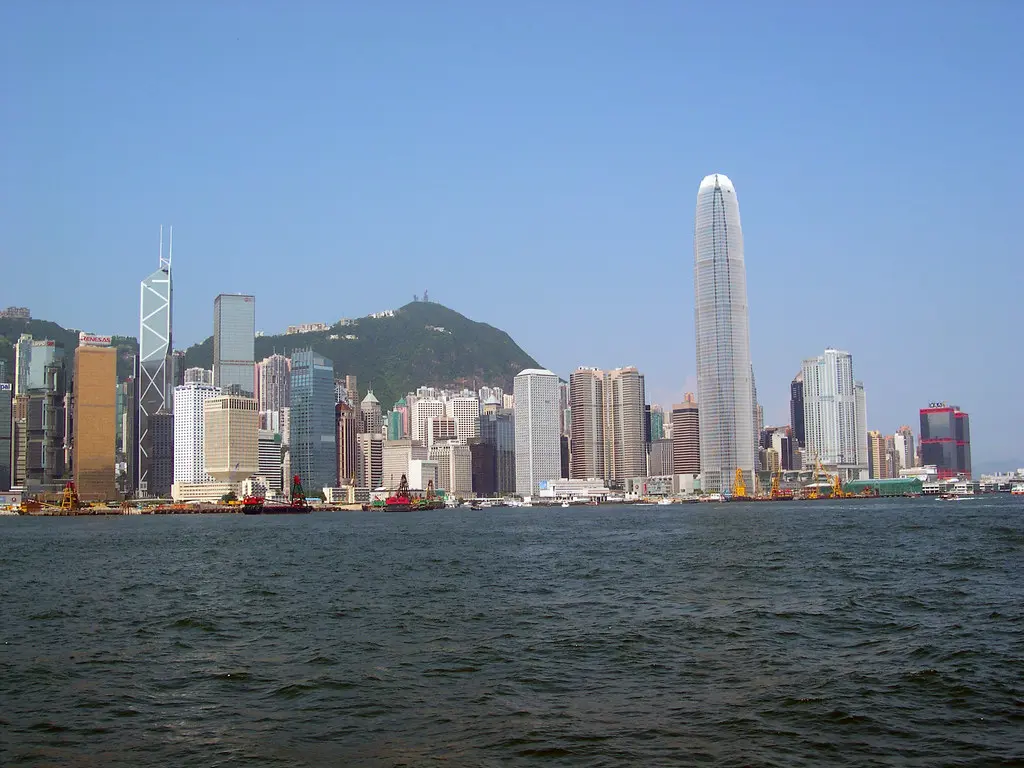
The same caution applies to stablecoins. Hong Kong’s regulatory work on virtual assets and stablecoins shows that a Chinese jurisdiction can create supervised channels for parts of the sector. It does not prove that mainland authorities intend to replicate those rules, or that a future mainland framework would include open access to stablecoins or public-chain tokens.
For traders, the practical read is narrow: Chee’s statement keeps the possibility of a future, tightly regulated Chinese crypto market in view, but offers no actionable timing or asset-specific signal.
Until mainland authorities publish concrete rules, China crypto policy remains a constraint to monitor rather than a confirmed source of new demand for SOL.
Discover: The Best Token Presales
- Grok AI Predicts XRP Could Hit $40 in 2026 With Landmark Event
- XRP News: Price Ceiling Versus ZEC and QNT Playbook
- XRP Price Battling Resistances as BlackRock Rumors Pop
- Bitcoin Price in Limbo: Congress Lost the Vote, but Fed Sets The Tone
- Perplexity AI Predicts Insane $40 Price Target for XRP: How Did It Get There?
2M+
250+
8
70





- Grok AI Predicts XRP Could Hit $40 in 2026 With Landmark Event
- XRP News: Price Ceiling Versus ZEC and QNT Playbook
- XRP Price Battling Resistances as BlackRock Rumors Pop
- Bitcoin Price in Limbo: Congress Lost the Vote, but Fed Sets The Tone
- Perplexity AI Predicts Insane $40 Price Target for XRP: How Did It Get There?
More Articles

 in numbers